
Cervicogenic Headaches vs Migraines: How to Tell Them Apart
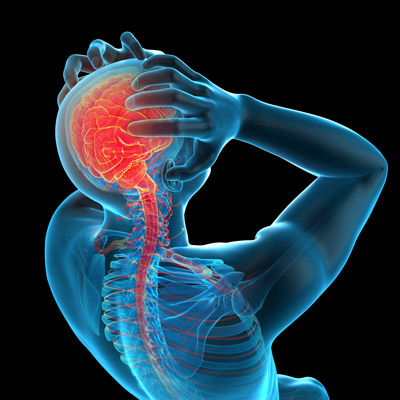
Recurring headaches can be frustrating, especially when the symptoms seem to change from one episode to the next. Pain that starts in the neck may be a cervicogenic headache, while throbbing pain with nausea or light sensitivity may point to a migraine. Understanding cervicogenic headaches vs migraines can help you identify the source of your pain and choose the right treatment sooner.
What You Should Know About Migraines
A migraine is more than just a bad headache. It is a neurological condition that develops because of changes in the brain and nervous system, not from a problem in the neck like a cervicogenic headache. Migraine attacks can last from a few hours to several days and may occur occasionally or become frequent enough to affect daily life. Although some people notice neck discomfort during an attack, the neck is usually not the source of the pain.
Common Causes of Migraines
The exact cause of migraines is still not fully understood, but many people notice that certain situations or habits make an attack more likely. Common migraine triggers include:
- Emotional stress or anxiety
- Poor sleep or changes in sleep schedule
- Hormonal changes
- Skipping meals or dehydration
- Certain foods and alcoholic drinks
- Bright lights, loud noises, or strong smells
- Weather changes
Migraine Symptoms
- Moderate to severe headache pain
- Nausea or vomiting
- Sensitivity to light, also called photophobia
- Sensitivity to sound
- Dizziness
- Blurred vision or migraine with aura before the headache begins in some people
Physical activity often makes migraine symptoms worse, so many people prefer to rest in a quiet, dark room until the attack passes.
What You Should Know About Cervicogenic Headaches
A cervicogenic headache is a secondary headache that starts in the neck, not the head. Problems involving the joints, muscles, or nerves of the upper cervical spine can send pain into the head through referred pain, making it easy to mistake for a migraine. Identifying the neck as the source helps guide the right treatment.
What Can Cause a Cervicogenic Headache?
Several conditions affecting the neck can lead to a cervicogenic headache, including:
- Poor posture, especially from long hours at a desk or looking down at a phone
- Whiplash after a car accident
- Arthritis affecting the cervical joints
- Tight muscles or joint dysfunction
- Wear and tear in the cervical spine
- Irritation of nerves around the upper cervical vertebrae
These conditions can limit normal neck movement and place extra stress on the surrounding tissues, leading to recurring headaches.
Signs the Pain is Coming From Your Neck
Unlike migraines, a cervicogenic headache usually follows a pattern that points back to the neck. Common signs include:
- Pain that starts at the base of the skull or in the neck
- Head pain that stays on one side
- Pain that radiates toward the forehead, temple, or behind one eye
- Neck pain and stiffness
- Reduced range of motion when turning the head
- Headache that becomes worse after certain neck movements or holding one position for a long time
Cervicogenic Headache vs Migraine: The Key Differences
Both cause real head pain, and both can affect one side of your head. That overlap is why they get mixed up. The table below shows the main differences at a glance.
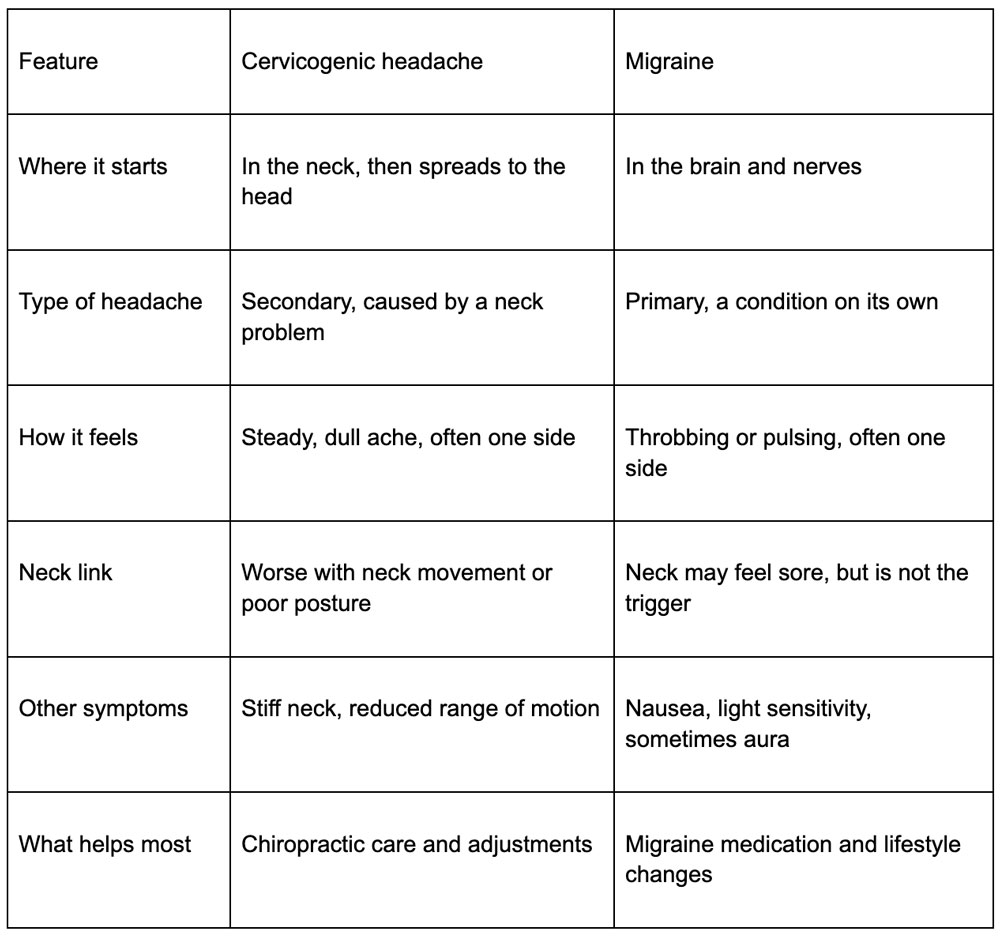
One simple clue is the neck. If moving your neck or sitting with poor posture makes the pain worse, a cervicogenic headache is more likely. If bright light and nausea take over, a migraine is the better guess.
Why the Difference Matters for Treatment
The two headaches respond to very different care. A migraine often needs migraine specific medication and lifestyle changes, such as better sleep and fewer triggers.
A cervicogenic headache is different. Because it starts in the neck, medication alone rarely fixes it. The best results come from care that treats the neck itself. This is why a correct diagnosis matters so much. Treating a cervicogenic headache like a migraine leaves the real cause in place, and the pain keeps coming back. People can spend months trying remedies that never reach the source, so getting the diagnosis right saves time and frustration.
How Chiropractic Care Helps Cervicogenic Headaches
Cervicogenic headaches tend to respond very well to hands on care. A chiropractor looks at your cervical spine to find joints that are stiff or out of place. Gentle spinal manipulation, also called an adjustment, helps restore normal movement and takes pressure off irritated nerves.
Care may also include physical therapy style exercises, massage, and posture guidance to keep the pain from returning. Your chiropractor may also check your posture and the rest of your spine, since tension in one area can pull on another. This drug free approach treats the root cause, not just the symptom. For many people, that means fewer headaches and lasting relief.
Why People Choose Southport Chiropractic
Recurring headaches can affect everything from work to sleep and daily activities. At Southport Chiropractic, Dr. Richard Pinsky and Dr. Cathy Brodows take the time to understand where your pain is coming from before recommending care. With more than 60 years of combined experience, they provide personalized chiropractic treatment for people in Fairfield experiencing neck related headaches and other musculoskeletal conditions.
Whether your symptoms are caused by a migraine or a cervicogenic headache, getting the right diagnosis is the first step toward lasting relief.
Frequently Asked Questions
Can a cervicogenic headache feel like a migraine?
Yes, the two feel very similar, and both can cause one sided pain. The biggest clue is the neck, since a cervicogenic headache gets worse with neck movement or poor posture.
Can you have both a migraine and a cervicogenic headache?
Yes, it is possible to have both at the same time, which makes them harder to tell apart. A careful exam helps sort out what is driving your pain.
How do you treat a cervicogenic headache?
Because it starts in the neck, care focuses there. Chiropractic adjustments, spinal manipulation, and physical therapy often bring relief when medication alone does not.
When should I see someone about my headaches?
See a professional if your headaches are frequent, keep coming back, or affect your daily life. Getting the right diagnosis is the first step toward the right treatment.